


How Acupuncture and TCM therapies work in the Body
Traditional Chinese Medicine (TCM) offers a unique approach to health that has been practiced for thousands of years. Unlike Western medicine, which often focuses on treating symptoms or specific diseases, TCM looks at the body as an interconnected system. This holistic view aims to restore balance and harmony within the body to promote overall well-being. Understanding how TCM works in the body can help you appreciate its methods and decide if it might complement your health routine.

Traditional Chinese Medicine (TCM) is a systems‑based medical framework developed over thousands of years. While Western biomedicine focuses on pathology, cellular mechanisms, and disease classification, TCM focuses on functional regulation, pattern recognition, and whole‑body homeostasis.
Modern research increasingly supports TCM’s effects on:
Neurophysiology (modulation of pain pathways, neurotransmitters)
Autonomic nervous system regulation (sympathetic/parasympathetic balance)
Circulatory and microvascular changes
Connective tissue and fascial signaling
Inflammatory and immune modulation
HOW DOES IT WORK?
SCIENTIFIC MECHANISMS OF ACTION (TCM)
A. Neurophysiology
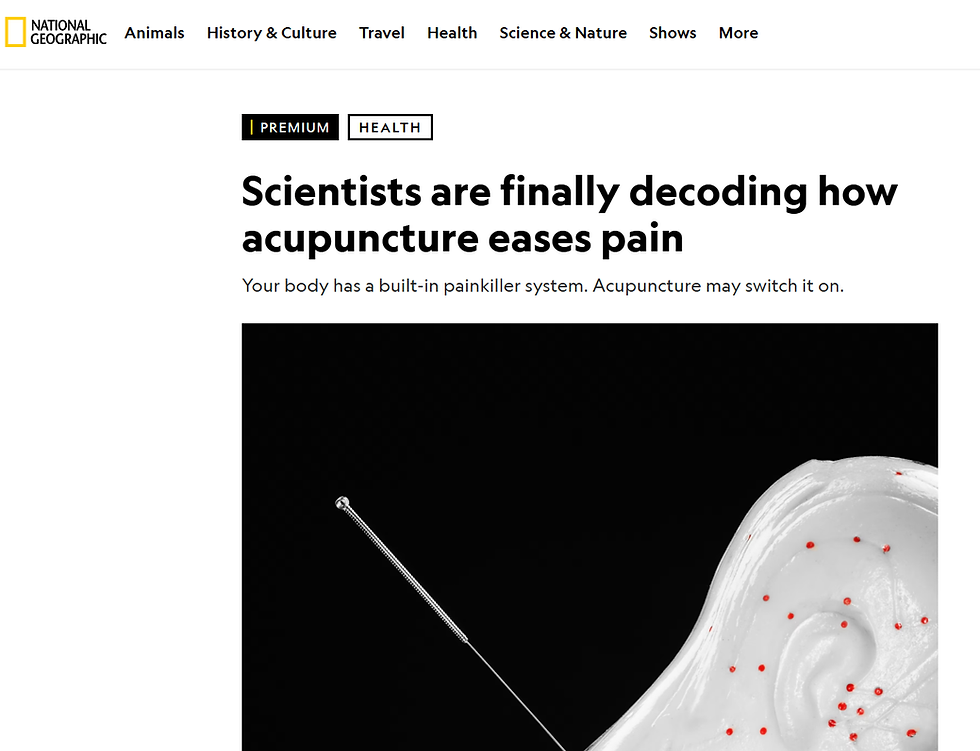
Research shows acupuncture influences:
Endorphin release
Serotonin and dopamine modulation
Pain pathway inhibition (descending inhibitory pathways)
Reduced activation of limbic structures associated with pain and stress
B. Autonomic Nervous System Regulation
Acupuncture shifts the body toward parasympathetic dominance:
Reduced sympathetic overactivation
Lower heart rate and blood pressure
Improved stress resilience
Enhanced vagal tone
C. Connective Tissue & Fascia
Acupuncture needles interact with fascia:
Mechanical signaling
Fibroblast activation
Improved tissue glide
Reduced myofascial tension
D. Circulation & Microvascular Effects
TCM therapies increase:
Local blood flow
Microcirculation
Oxygenation
Tissue repair signaling
E. Immune & Inflammatory Modulation
Studies show reductions in:
IL‑6
TNF‑α
CRP
Pro‑inflammatory cytokines
These mechanisms explain why TCM is effective for chronic pain, inflammation, and stress‑related disorders.
TCM FOR CHRONIC PAIN — SCIENTIFIC EXPLAINER
TCM is widely used for chronic pain because it:
Modulates pain pathways
Reduces inflammation
Improves circulation
Releases muscle and fascial tension
Regulates the nervous system
Supports long‑term functional recovery
Conditions commonly treated:
Back pain
Neck pain
Joint pain
Sciatica
Headaches and migraines
Fibromyalgia
Post‑surgical pain
Chronic muscular tension
NIH recognizes acupuncture as effective for chronic pain, including back pain, neck pain, osteoarthritis, and headaches.


Comments